
The Insurance Industry’s Workforce Problem Is an Operational Risk
By: Norm Hudson, Staff Boom CEO
The insurance industry is not lacking in relevance. What it is lacking is a compelling career narrative that showcases this relevance. The Bureau of Labor Statistics projects that while the total number of claims professionals will decline by 5%, the industry will face approximately 21,500 job vacancies each year over the next decade. At the same time, Gen Z now represents a growing share of the workforce, yet 79% have never considered an insurance career — citing rigidness or assuming the work is “boring.”
This workforce gap is moving in the wrong direction, and it needs to be filled fast.
A perception gap in hiring
Insurance has always been perceived as less than glamorous — and that hasn’t changed, especially for Gen Z. In an industry survey, when Gen Z was asked to identify the most appealing business sectors to work in, insurance came in last.
These negative perceptions don’t reflect reality. Insurance supports people at some of the most critical moments in their lives (recovering after a disaster, navigating a car accident, keeping a small business running through disruption, etc.). The problem is that the industry continues to present itself through processes rather than outcomes. Add to that an expectation among younger workers for dynamic, technology-forward environments, and the result is predictable: the talent looks elsewhere.
Talent shortages are now operational risks
What makes today’s talent issues different is the sheer volume and type of expertise leaving the workforce. Retirement has become both a blessing and a curse. Insurance is a knowledge-based industry, and without historical underwriting, claims and client knowledge being passed to the next generation, gaps continue to widen.
Beyond retirements, new pressures, like climate frequency and severity, are evolving every day, while clients expect swift, transparent service around the clock.
Without enough talent, insurers face three immediate challenges. Claims handling capacity becomes strained during surge events, leading to slower response times and eroded customer trust. The adoption of AI and advanced analytics slows, not because the tools are unavailable, but because the workforce lacks the capacity or skills to implement them. And innovation stalls, as fewer cross-disciplinary thinkers enter to challenge legacy approaches.
Workforce challenges are now directly tied to performance and are becoming core drivers of operational risk.
Reframing how insurance careers are presented
Knowing that perception and reality don’t match, the solution is to address it head-on. Organizations need to be more direct about the impact of their work. Roles should be described in terms of outcomes, not just responsibilities, i.e., claims work supports recovery; underwriting enables growth and stability. If that connection isn’t clear, it’s difficult to attract people motivated by purpose.
Companies also need to show what the work actually looks like. Many teams already use automation and data to drive better decisions, but candidates assume the opposite. Closing this perception gap requires better visibility into how the work is evolving.
Career progression needs to be more transparent, too. Early-career professionals want to understand how they can develop skills and take on responsibility quickly. That requires evolving structured progression frameworks, not just posting them on a careers page, but actively communicating them.
Finally, the industry needs to address skepticism directly. For younger generations, that skepticism centers on complexity, transparency and claims outcomes. Ignoring it only reinforces distrust.
Insurance workforce planning is a core business priority
This shift points to a broader conclusion: workforce planning should be treated as part of risk management.
Insurance organizations are disciplined in how they approach financial and operational risk. Workforce strategy hasn’t always been given this same level of rigor, and that approach is becoming harder to sustain. Every business objective depends on having the right people in place. When that foundation is weak, service levels decline and progress stalls.
Forward-looking organizations will identify future skill needs early, invest heavily in talent and rethink how work is structured. They’ll discard the playbook of the past decade and build one that fits this modern world.
Looking ahead
Insurance plays a pivotal role in how individuals and businesses manage uncertainty. The challenge is making that visible to the next generation.
The opportunity is significant. We have a chance to redefine how a new generation sees this industry, and, more importantly, how it experiences working within it. In 2026, the conversation around insurance careers is directly tied to the industry’s ability to grow and perform. Addressing it now will determine how well insurers navigate what comes next.
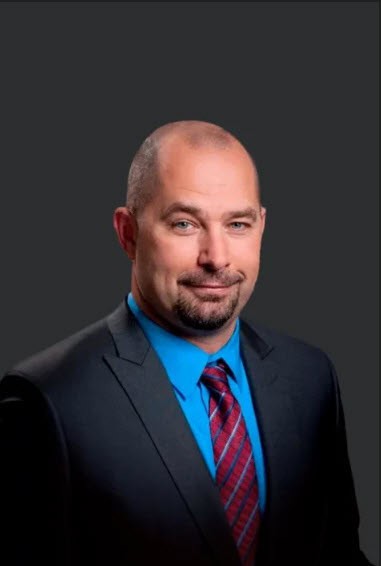
Norm Hudson
Co-Founder and CEO of Staff Boom
Previously, as Principal Owner and CEO of Inszone Insurance Services, Norm Hudson led a team across 40 locations, propelling Inszone into the top 100 national insurance agencies. His commitment to an open, transparent, and accountable company culture played a pivotal role in Inszone’s success.
