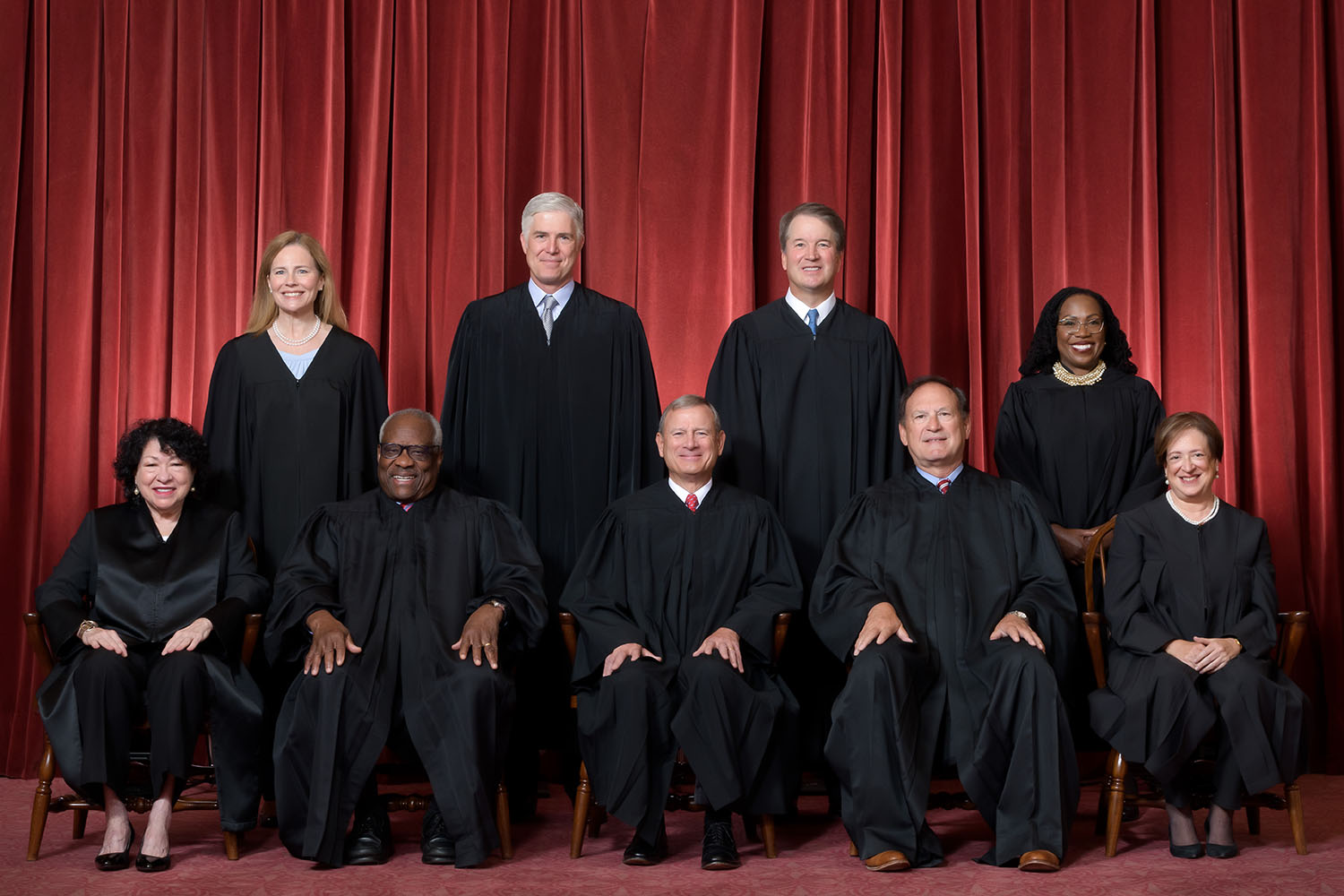
A Landmark Ruling Affecting Commercial Liability Insurers Nationwide
Agency Checklists typically focuses on legal decisions from Massachusetts courts. Earlier this month, however, the U.S. Supreme Court issued a landmark ruling that affects all commercial liability insurers nationwide and could potentially save these insurers millions upon millions in claim dollars.
In a unanimous decision, the Supreme Court ruled in favor of Truck Insurance Exchange (“Truck”) in its case against Kaiser Gypsum Company, Inc. This decision fundamentally changes the role of insurers in bankruptcy proceedings, granting them the status of “party in interest” and the right to be heard on reorganization plans. The ruling overturns the previously held “insurance neutrality” doctrine, marking a significant shift in how insurers can protect their interests in policyholder bankruptcies.
The insurance neutrality doctrine had previously limited insurers’ ability to object to bankruptcy reorganization plans unless the plans explicitly altered their contractual rights or increased their pre-petition obligations. This effectively sidelined insurers from many bankruptcy proceedings that could significantly impact their financial interests.
Underlying Facts
Kaiser Gypsum Company, Inc. and its parent company, Hanson Permanente Cement, Inc., filed for Chapter 11 bankruptcy after facing thousands of asbestos-related lawsuits. As the primary insurer, Truck held policies covering periods from 1965 through 1983, with liability up to $500,000 per asbestos claim.
The proposed reorganization plan created an Asbestos Personal Injury Trust under 11 U.S.C. §524(g).
Crucially, the plan treated insured and uninsured claims differently:
- Insured claims were to be filed in state and federal courts with liability resolved by judges and juries using tort law principles, increasing Truck Insurance’s defense costs and potentially increasing its indemnity payments.
- Uninsured claims were to be submitted directly to the Trust for resolution without any court proceedings required.
This distinction became a key point of contention for Truck’s appeal and subsequent certiorari petition to the Supreme Court.
The Issue Before the Supreme Court
The central question before the Court was whether an insurer like Truck, with significant financial responsibility for bankruptcy claims, qualifies as a “party in interest” under Bankruptcy Code §1109(b). This provision allows any “party in interest” to “raise” and “be heard on any issue” in a Chapter 11 bankruptcy.
Truck sought, unsuccessfully, to oppose the reorganization plan, arguing that it exposed the company to potentially millions of dollars in fraudulent claims.
The insurer contended that the plan’s different treatment of insured and uninsured claims, particularly regarding disclosure requirements, unfairly increased its financial risk.
The Insurance Neutrality Doctrine
Lower courts, including the Fourth Circuit Court of Appeals, had dismissed Truck’s objections based on the “insurance neutrality” doctrine. This doctrine held that insurers lacked standing to object to a reorganization plan unless the plan explicitly altered their contractual rights or increased their pre-petition obligations.
The insurance neutrality approach aimed to streamline bankruptcy proceedings by limiting the parties who could object to reorganization plans. However, it often left insurers without a voice, even when proposed plans could significantly impact their financial interests.
Supreme Court’s Decision Rejecting the Insurance Neutrality Doctrine
In a decisive ruling, the Supreme Court rejected the insurance neutrality doctrine, describing it as “conceptually wrong” and making “little practical sense.”
Justice Sonia Sotomayor, delivering the unanimous opinion, emphasized the broad interpretation of §1109(b):
“An insurer with financial responsibility for bankruptcy claims is sufficiently concerned with, or affected by, the proceedings to be a ‘party in interest’ that can raise objections to a reorganization plan.”
The Court’s reasoning hinged on several key points:
1. The text of §1109(b) is “capacious” and provides an illustrative, not exhaustive, list of parties in interest.
2. The historical context shows Congress consistently acted to promote greater participation in reorganization proceedings.
3. Insurers can be “directly and adversely affected by the reorganization proceedings in myriad ways.”
Justice Sotomayor pointedly noted that the insurance neutrality doctrine “conflates the merits of an objection with the threshold party in interest inquiry.”
The Court emphasized that §1109(b) asks whether reorganization proceedings might affect a prospective party, not how a particular plan actually affects that party.
Benefits to Insurers of the Court’s Decision
This ruling provides significant benefits to insurers:
- Right to participate: Insurers now have a clear right to participate in bankruptcy proceedings where they have financial responsibility.
- Opportunity to protect interests: They can raise objections to reorganization plans that might expose them to increased financial risk.
- Influence on plan structure: Insurers’ participation may lead to more balanced reorganization plans that consider their interests alongside those of debtors and claimants.
Conclusion
The Supreme Court’s decision in Truck Insurance Exchange v. Kaiser Gypsum Co. represents a significant shift in the landscape of bankruptcy proceedings for insurers. By rejecting the insurance neutrality doctrine and affirming insurers’ status as parties in interest, the Court has opened the door for more active insurer participation in policyholder bankruptcies.
This ruling potentially saves insurers millions in claim dollars by allowing them to voice concerns about reorganization plans that could expose them to increased financial risk, as the proposed reorganization plan in this case did.

Owen Gallagher
Insurance Coverage Legal Expert/Co-Founder & Publisher of Agency Checklists
Over the course of my legal career, I have argued a number of cases in the Massachusetts Supreme Judicial Court as well as helped agents, insurance companies, and lawmakers alike with the complexities and idiosyncrasies of insurance law in the Commonwealth.
Connect with me directly, by calling me at 617-598-3801.