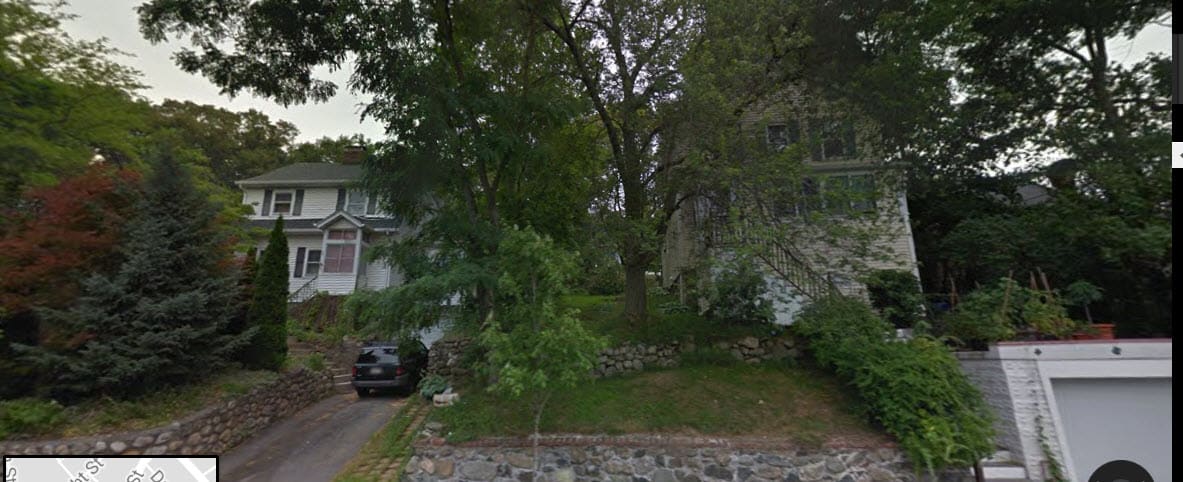
The Case: Boazova v. Safety Ins. 462 Mass. 346
The Case: Boazova v. Safety Ins. 462 Mass. 346
Why we featured this case:
As most in Massachusetts don’t need to be reminded, snow and rain can cause a lot of surface water to flow into an insured’s property. When this happens, however, it is of the utmost importance that agents be alert as to what may or not be covered under a homeowner’s policy.
Take the following example: In this case examined in this latest Agency Checklists’ Law Alert, the Supreme Judicial Court of Massachusetts decided exactly how this all too common problem may affect policy coverage. More importantly, it concluded that the “anti-concurrent cause” clause found in most homeowner’s insurance policies may restrict coverage when surface water is involved with an otherwise covered loss.
What you should know about this case:
Five years after the insured purchased her property (under a homeowner’s policy), she had her kitchen renovated. During the renovation, the contractor discovered severe rot and deterioration of the sill plate for the kitchen. Further examination revealed that the rot also included the adjoining floor joists and wall studs. As a result, the homeowner reported the discovered damage as a loss under her homeowner’s policy.
Experts hired by the insured’s insurance company and by the homeowner pretty much agreed that the cause of the rotted sill plate, wall studs, and floor joists stemmed from the installation of a concrete patio in 1958. As it turned out, the concrete patio was poured directly against the house. After this discovery, the insured had the patio repaired with a raised concrete area intended to direct water accumulating on the patio away from the house. There was no waterproofing barrier or membrane, however, in place between the patio and the rear wall of the house to prevent water from entering the structure’s wooden frame. As a result, moisture could and did migrate to the top of the foundation, rotting the clapboard siding, and over a period of time the sill plate, floor joists, and wall studs. The rot was serious enough that the homeowner’s expert opined that there was a potential danger of a complete failure of the floor system for the kitchen.
Although the homeowner’s policy with her insurance company, Safety, had an endorsement that provided some limited coverage for fungi, wet or dry rot, or bacteria, Safety denied the whole claim.
The claim denied as excluded “water damage” or as surface water being a contributing cause under the “anti-concurrent loss clause”
In its denial of the claim, Safety reasoned that the common exclusion in a homeowner’s policy that excludes from coverage for “water damage” applied. Water damage was defined in the policy as: “Flood, surface water, waves, tidal water, overflow of a body of water, or spray from any of these, whether or not driven by wind….”.
Naturally, the homeowner contested the complete denial of the claim based on the to the policy allowing limited coverage for dry rot. Her position was that the loss was caused by hidden seepage and not surface water. Safety, however, did not agree and so reaffirmed the denial of her claim on the fact that the damage was caused by a combination of surface water, deterioration, settling, and improper construction of the concrete patio; and (2) was not encompassed within the endorsement, where the loss was not the result of a peril insured against.
The basis of the denial was that the “anti-concurrent” clause of this policy and most other homeowner’s policies include the provision that an exclusion applies “regardless of any other cause or event contributing concurrently or in any sequence to the loss….”
What the Court said:
The insured attempted to argue to the Superior Court, the Appeals Court and finally the Supreme Judicial Court that her loss was caused by “hidden seepage” of water which, in her view, would have been one of the covered perils in Safety’s “all risk” insurance policy.
The insured also believed that since hidden seepage, not surface water, caused the damage to her house, the so-called “anti-concurrent cause” provision in the exclusion section of her policy would be inapplicable.
Definition of surface water and reach of a policy’s “anti-concurent clause” clause
The Supreme Judicial Court instead decided that although the term “surface water” is not defined in the policy, under Massachusetts law, its common meaning would be “waters from rain, melting snow, springs, or seepage, or floods that lie or flow on the surface of the earth and naturally spread over the ground but do not form a part of a natural watercourse or lake.”
The Court then went on to reaffirm the broad reach of the “anti-concurrent loss clause” found in homeowner’s policies, as well as other policies. This clause makes any loss an excluded loss “regardless of any other cause or event contributing concurrently or in any sequence to the loss.” Therefore the “anti-concurrent loss clause” can bar insurance coverage where a claimed loss is caused by any combination of covered and excluded perils occurring together or sequentially.
Since the Court concluded that the insured’s claimed loss was caused, either directly or indirectly, by “surface water”, as defined by the Court, and that that “water” was what seeped or leaked into the wooden frame of her house, the “water damage” was excluded under the policy. In addition, any coverage she might have had under the endorsement granting limited coverage for fungi, wet or dry rot, or bacteria also did not apply in the Court’s opinion because of the policy’s “anti-concurrent loss clause” provision.
As such, under the explicit terms of the policy, her loss was excluded from insurance coverage. Had the seeping water originally come from within Boazova’s house, it would not have been deemed “surface water” and, therefore, would not have been excluded from coverage under that policy provision.
Agency Takeaways:
- “Surface Water” as used in a Massachusetts homeowner’s insurance policy is legally defined as: “waters from rain, melting snow, springs, or seepage, or floods that lie or flow on the surface of the earth and naturally spread over the ground but do not form a part of a natural watercourse or lake.”
- Damage caused to a home by “hidden seepage” is only going to be covered if the seepage originated within the dwelling. “Seeping water” that migrates from within the property to the outside does not become “surface water” and, is not excluded under the “Water Damage” exclusion.
- Claims made where the loss was caused by water from the outside of a dwelling will likely be denied.
- As such, flood insurance is something that your insureds should be informed of based upon this case and similar cases that Agency Checklists have discussed.
