Former Cabinet chief Ash urges state to ‘stay relevant in opportunities’
BOSTON, Feb. 5, 2026…..As Massachusetts faces competitive pressures, it’s crucial that state leaders embrace new technologies like driverless cars to support both existing and emerging markets, industry leaders say.
“There are reasons to be concerned that the luster on the state’s competitiveness that has carried us for decades, if not generations, is not shining as brightly as it has. That doesn’t mean that it can’t,” Jay Ash, CEO of Massachusetts Competitive Partnership, told the News Service Thursday.
Massachusetts doesn’t have the luxury right now to turn away from any chances for growth, said Ash, who was housing and economic development secretary under former Gov. Charlie Baker.
Some analysts have said recent layoffs underscore the state’s flailing competitive edge. Meanwhile Gov. Maura Healey is aiming to mitigate affordability woes that are driving Bay Staters out of Massachusetts.
The state has the opportunity to lean on its strengths in academics and strong reputation in technology to lead the driverless vehicles industry, and other sectors like it, said Ash, who represents CEOs of some of the largest businesses in the state. To do this, Massachusetts must adopt regulations to get driverless vehicles on the road, like dozens of other states already have.
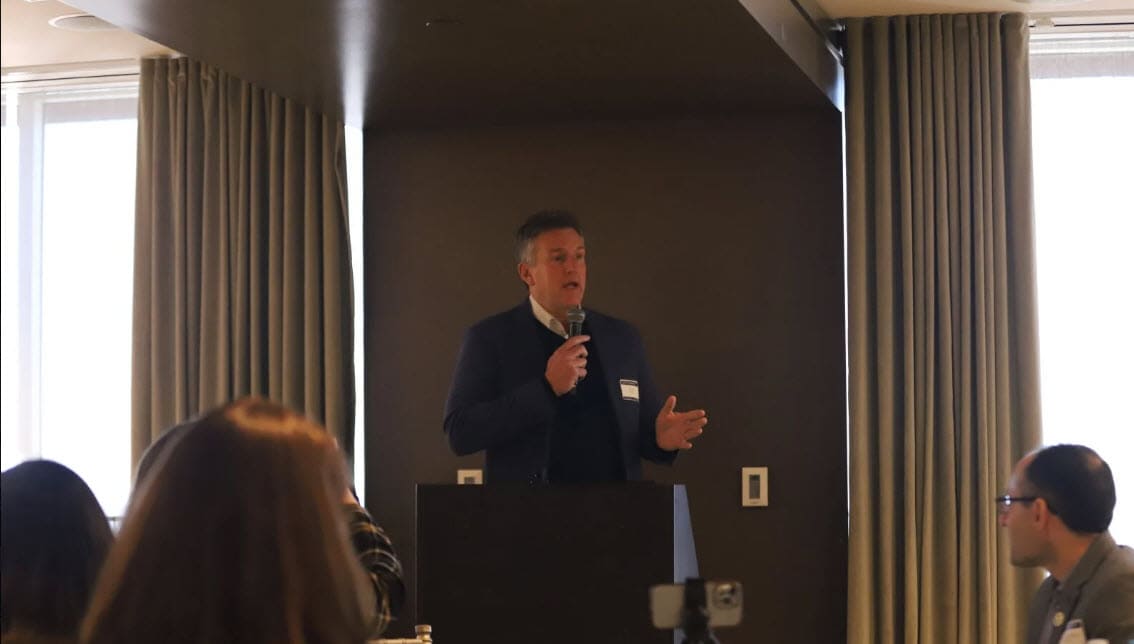
“We’re in a fight here in Massachusetts, to make sure that we not only lead but we stay relevant in opportunities that go well beyond mobility and autonomy,” Ash said ahead of a panel discussion on how to position Massachusetts as a leader in transportation technology.
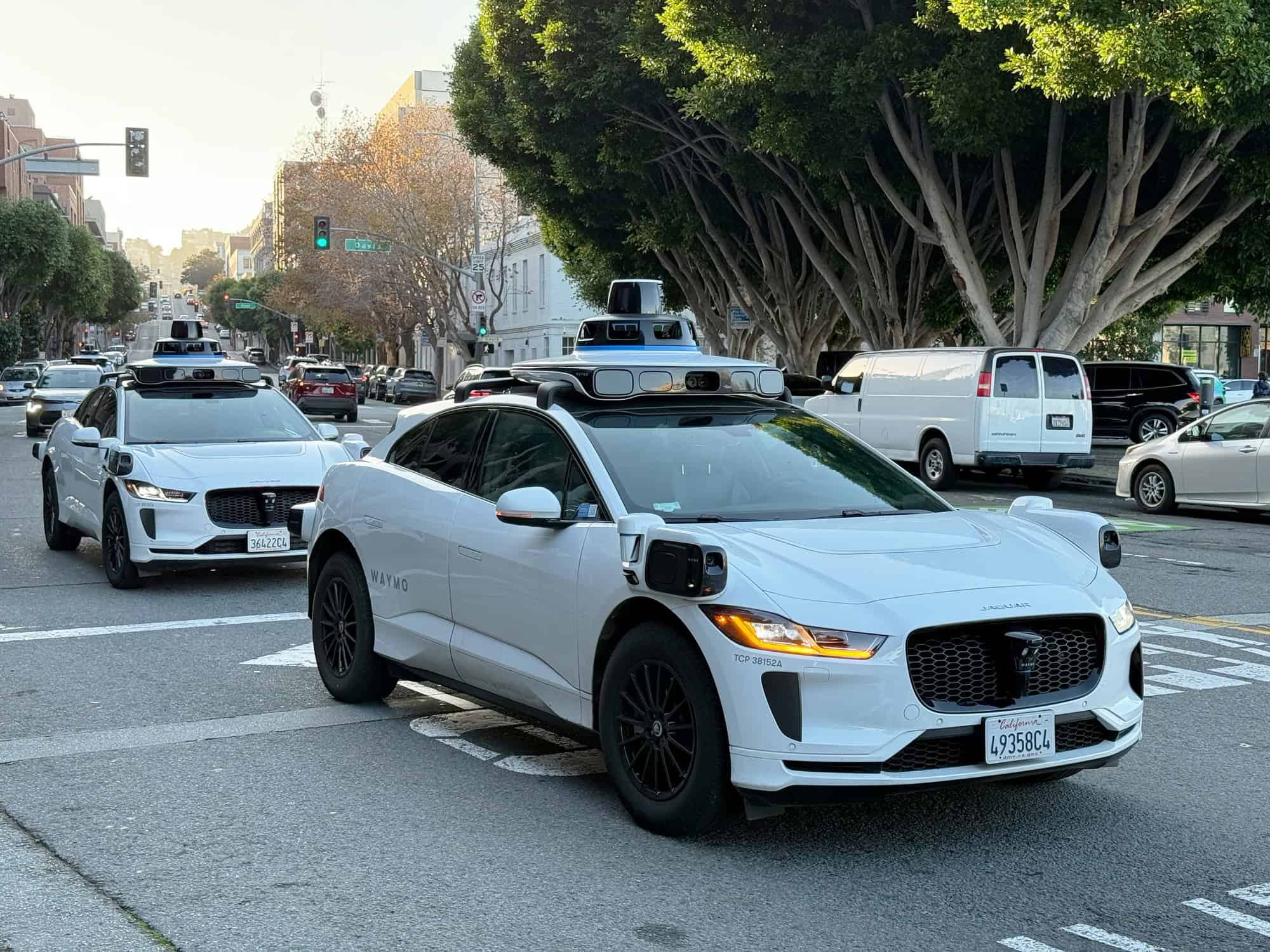
The regulations are necessary for Waymo, a major self-driving robotaxi company, to bring its cars to Boston, which the company announced plans to do on Thursday. To start, Waymo said the vehicles will be driven by trained specialists until lawmakers legalize autonomous vehicles.
Waymo announced a $16 billion investment round this week, said it is providing more than 400,000 rides per week across six U.S. cities, and proclaimed it is providing a “vital service” and “scaling a commercial reality.”
The Chamber of Progress, a left-leaning technology coalition, said it delivered more than 40,000 signed petitions to lawmakers Thursday calling on them to get driverless vehicles on the road.
There is no federal policy regulating driverless vehicles and 25 states have laws allowing them on the roads, said John Moavenzadeh, director of the MIT Mobility Initiative.
Beacon Hill hasn’t made a move on driverless cars. Legislation (H 3634 / S 2379) supported by the industry and opposed by unions would establish a “regulatory framework” for autonomous vehicles to be deployed and create an autonomous vehicle network in Massachusetts. Both bills have been in the Transportation Committee for almost a year. The committee has a March 18 to vote on the House bill under an extended deadline.
Whatever regulations Massachusetts passes for driverless vehicles, it’s crucial they are clear to attract and keep companies in the state, said Vecna Robotics CEO Karl Iagnemma, who joined the panel discussion.
“There has to be clarity and even if it is somewhat burdensome, I can tell you, people will invest here,” Iagnemma said. “They will jump through those hoops and take those steps, as long as they’re confident that they know the rules of the game.”
Labor unions have rallied against the legislation opening the door for driverless cars, citing concerns over safety and job losses.
Legislation (H 3669 / S 2393) that is supported by unions and would require a human operator to be physically present in autonomous vehicles transporting commerce or passengers Massachusetts. The House version is sponsored by Rep. Steve Owens, who sits on the Transportation Committee, which both bills are currently in.
While jobs would likely be lost because of the implementation of driverless cars, jobs would also be created as companies will need workers to clean and maintain cars, Moavenzadeh said.
Iagnemma said technologies used for robotaxis and other innovations like robotic forklifts, drones or vacuums are very similar, making it easier for workers to move across sectors.
“The trickle down effects and the benefit to our broader economy really can’t be overstated,” he said. “As we raise the tide for autonomous vehicles, the topic of today’s discussion, I think we’re going to see very positive adjacent impacts to other industries that are already rooted here.”
Sidney McLaurin, CEO and founder of Fleet Robotics, suggested the state focus funds on supporting smaller companies, including those that would support driverless cars, and keeping employees in the state.
“The core thing is keeping talent in Massachusetts… that is the saving grace for us,” McLaurin said.
Before driverless cars can launch in Massachusetts, panelist Jane Lappin, partner at Blue Door Strategy & Research, said there needs to be more transparency on how accidents they’re involved in happen and actions companies are taking to ensure they don’t occur again.
Economic Development Secretary Eric Paley, who moderated the panel, pointed to data from Waymo showing its vehicles were involved in significantly fewer crashes that resulted in death as a “moral imperative” to adopt driverless cars.
“If we could keep everyone out of the emergency room, or 80% of people out of the emergency room, with an inoculation, would we not give it because we’re worried about emergency room workers?” Paley said, adding there is a “tremendous cost” to the economy when people can’t go to work because they or a loved one were hurt in an accident.